Your cart is empty
Start shopping and fill your cart with favorites.
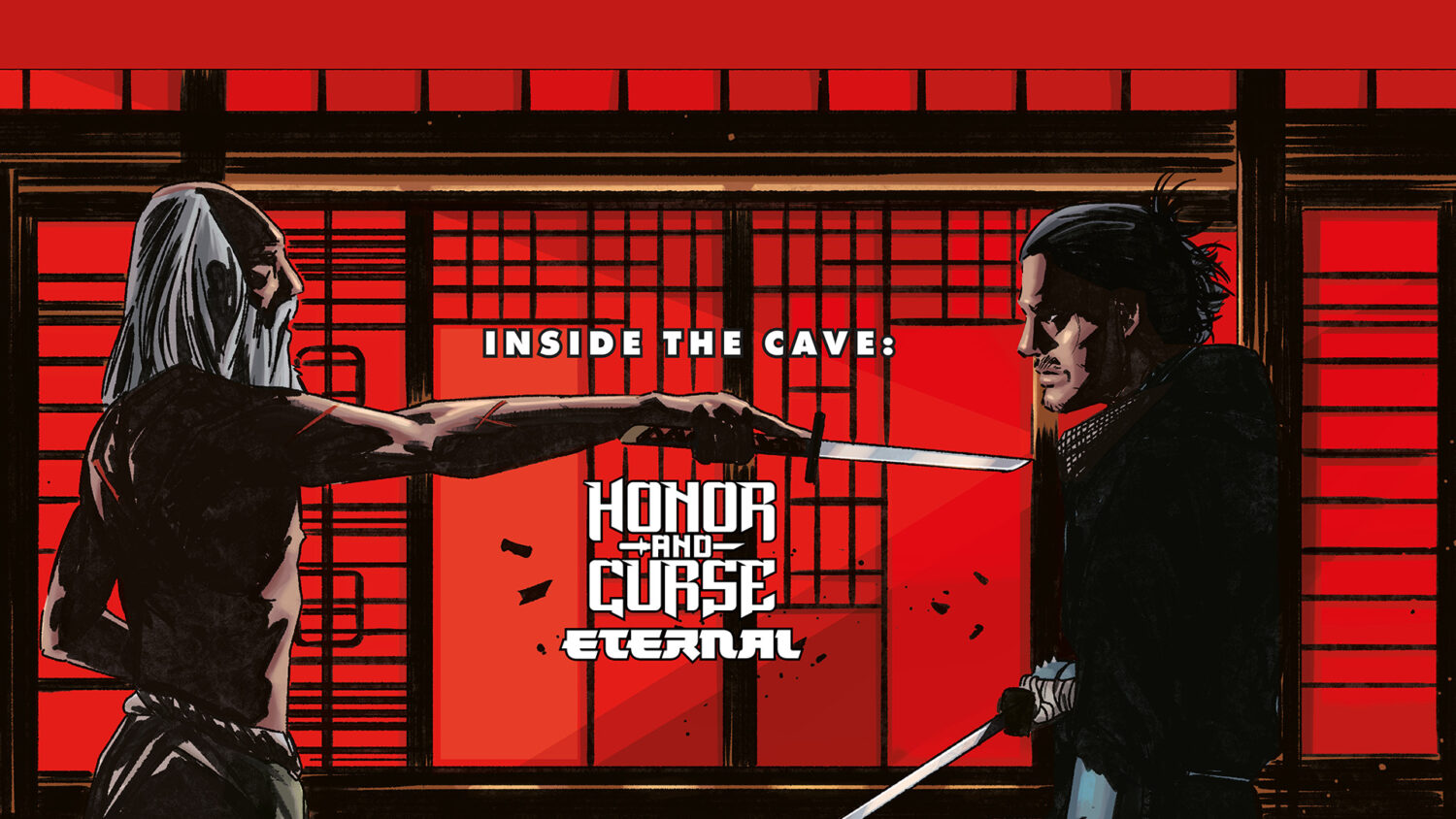
For 600 years he’s held it back. Now, the cage is breaking.
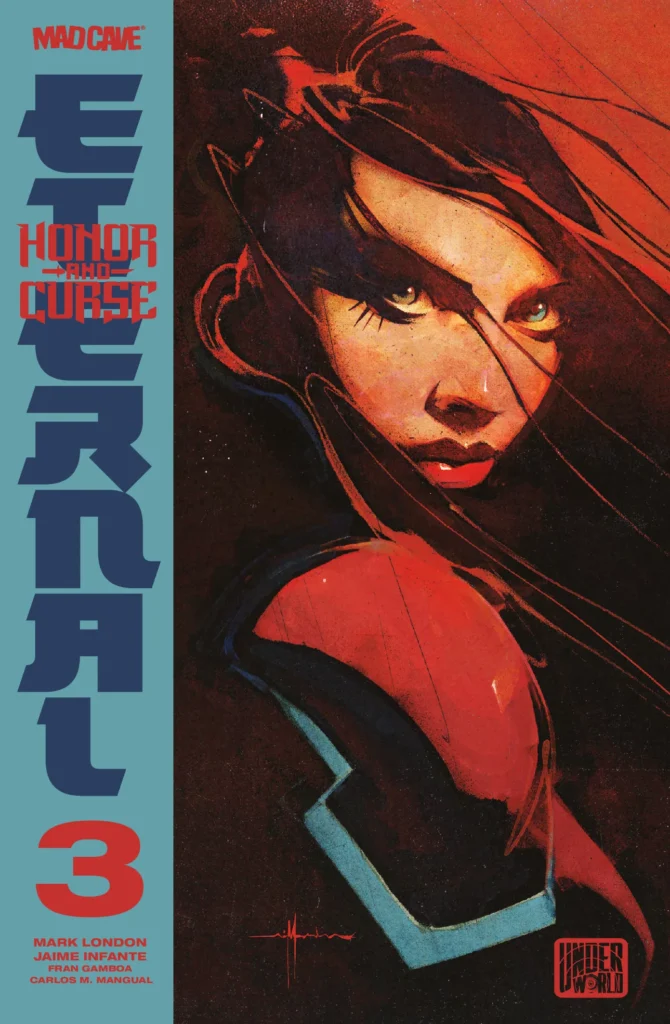
To celebrate the announcement of Honor and Curse: Eternal, we sat down with author Mark London (Underworld, Terrorbytes, Tales From The Road) to dig into the origins, legacy, and evolution of the upcoming release.
In this edition of Inside The Cave, Mark shares how the centuries-spanning story of Genshi Sakagura took shape, what drew him to the character, and what readers can expect from the journey ahead.
How does Honor & Curse: Eternal redefine or expand our understanding of the UNDERWORLD universe after Part 1?
So, Phase 1 gave us the Order of Nine. These ancient mystic god-kings who are trying to drag humanity back to some pre-modern golden age. With HC: Eternal, we’re pulling back the curtain on the other side of that war: Unity Ultima. Think futuristic techno-fascists who want to turn the whole world into one giant efficient machine, with themselves running everything. Genshi’s caught right in the middle, ancient supernatural power meets modern shadow conspiracy. What I love about his story is that it shows readers this isn’t just magic versus tech. It’s two competing nightmares fighting over humanity’s future, and neither one is good for us. Plus, Genshi successfully bonded with a pre-civilization entity, which makes him a target for everyone. We’re taking Underworld from street-level into something way more mythic.
How has your relationship with Genshi and Minamoto evolved over the course of writing Honor & Curse??
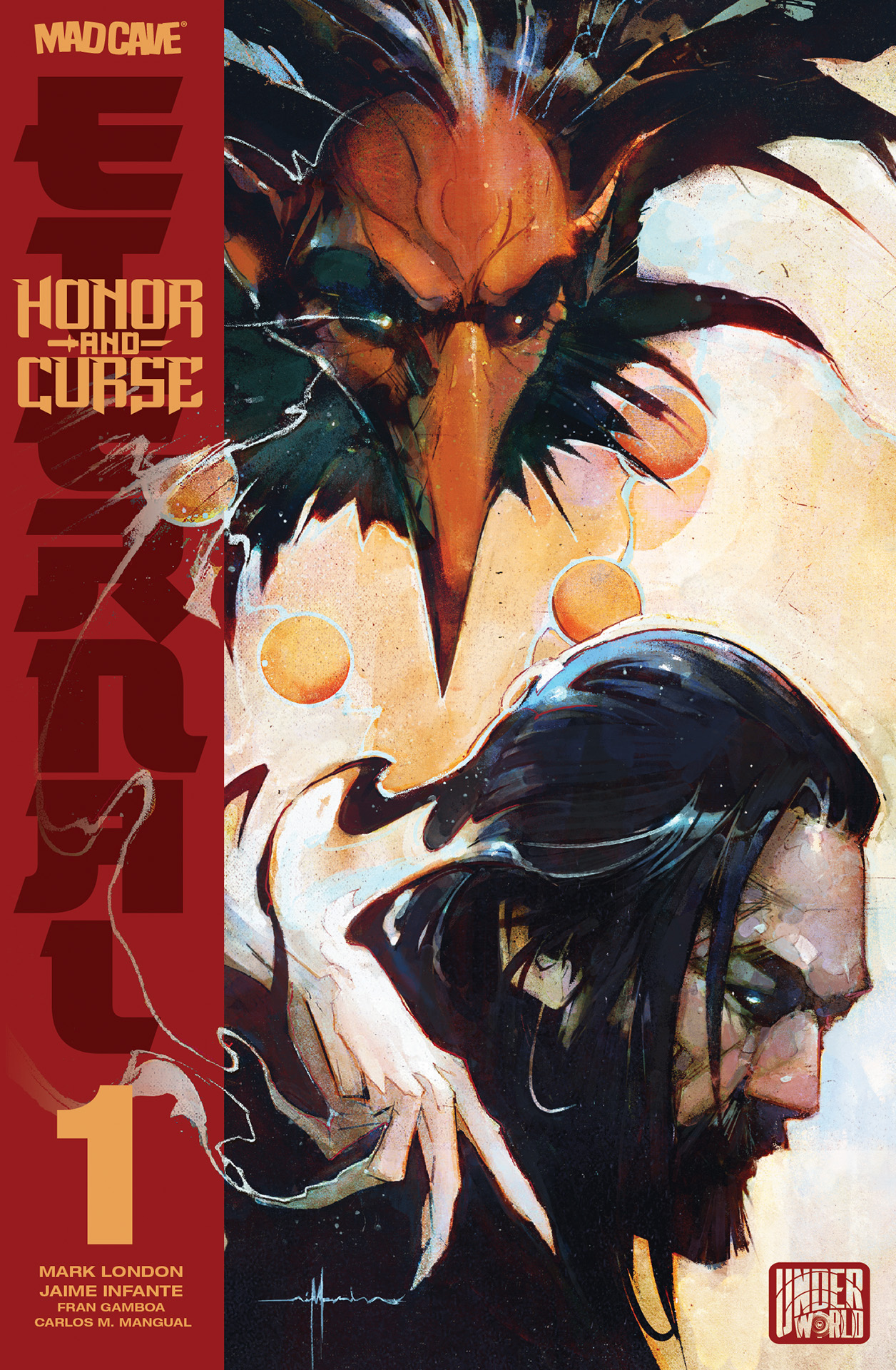
Back in 2019 when I created Genshi, I was obsessed with this idea of someone becoming a weapon they never asked to be. But honestly? Minamoto has gotten under my skin just as much now. The tengu isn’t some one-dimensional evil, it’s got its own history, its own wounds, going back before recorded time. These two have been stuck together for six centuries. That’s not just possession, that’s a relationship. A messed up one, sure, but there’s this twisted intimacy to it. Minamoto won’t let Genshi die. Genshi keeps Minamoto caged. They’re each other’s prison. Writing them now feels less like hero-versus-demon and more like a conversation about what it really means to live with the monster inside you.
This series blends action, mythology, and deeply personal themes. What core idea or emotional throughline guided you while building Honor & Curse: Eternal?
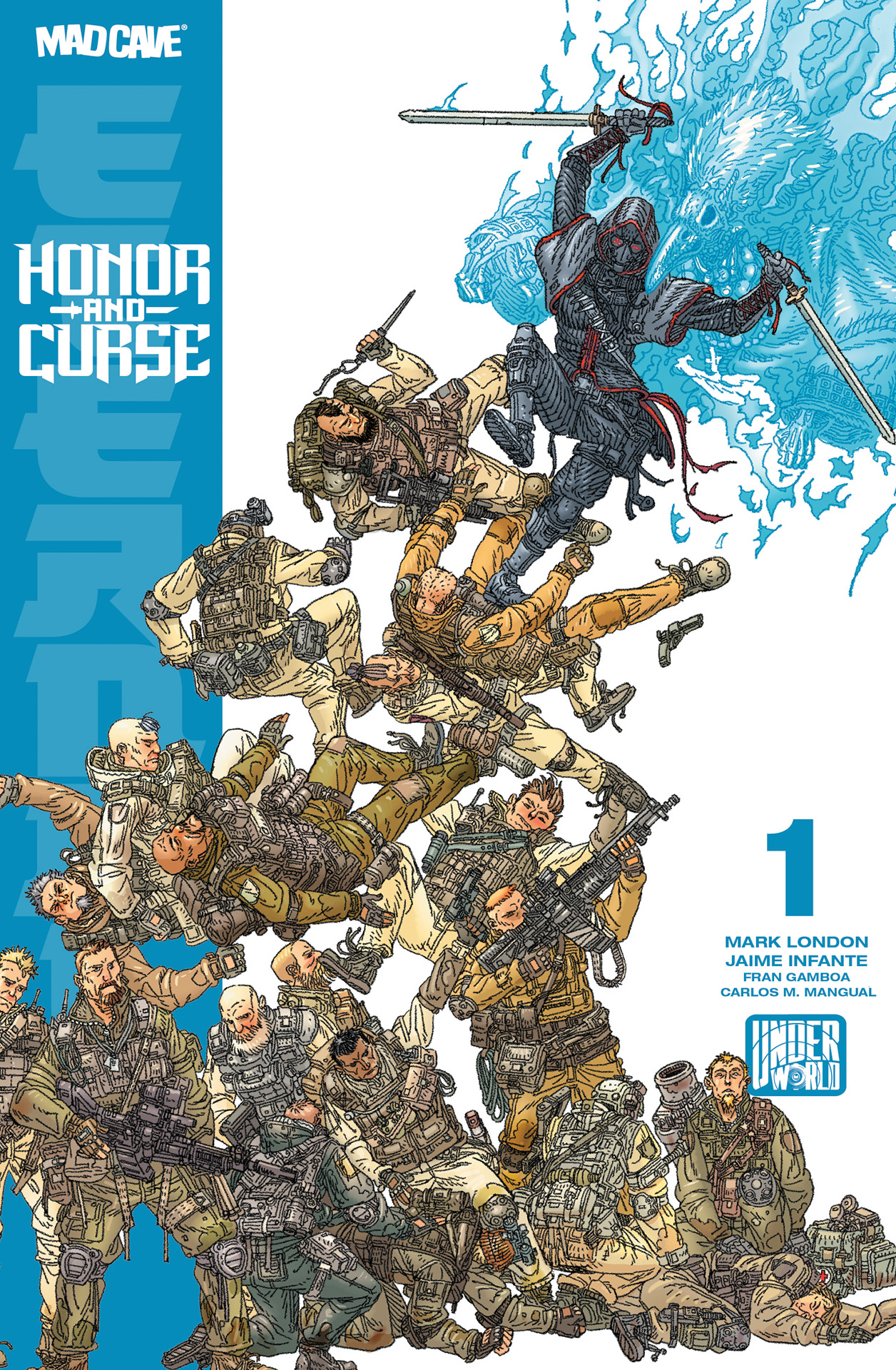
Here’s the thing that drives the whole story: the most dangerous thing Genshi ever did wasn’t fighting. It was refusing to fight. We love heroes who throw down, right? But what if fighting is the actual catastrophe? Genshi’s spent six centuries in silence, meditation, isolation, but not because he’s weak, but because he’s using every bit of willpower he has to keep a war god locked up. That takes more strength than any battle. The question running through everything is: can you actually find redemption after 600 years? Because every punch Genshi throws makes Minamoto stronger. Every fight brings them closer to the tengu taking over completely. So how do you keep an oath to protect someone when protecting them might destroy everything?
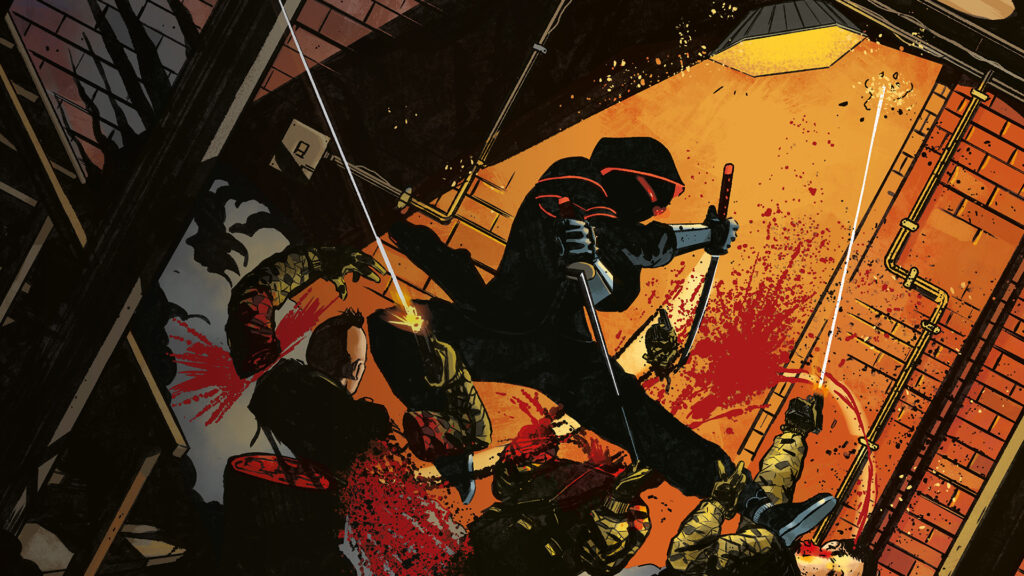
Genshi carries centuries of history, trauma, and responsibility. How did you approach writing a character who has lived multiple lifetimes?
I focused on weight, not wisdom. Most immortal characters in fiction turn into these wise sage types who’ve got all the answers. That’s not Genshi. Six hundred years of penance doesn’t make you enlightened, but it makes you tired. Bone tired. He’s lost so many people, watched so many connections fade, that he’s basically withdrawn from humanity altogether. The guy meditates for days at a time. Lives alone. Silence is his whole existence. I wrote him as someone who’s felt so much for so long that stillness became the only way to survive. But here’s the catch, he’s still bound by an oath he made in the 1400s to protect a family line. That obligation doesn’t expire. Ancient duty crashing into modern life is where all the drama comes from.
Immortality is often portrayed as a gift or a curse. Honor & Curse: Eternalleans heavily into the cost of it. What interests you most about telling a story through that lens?
I wanted to flip the power fantasy on its head. Immortality sounds great until you realize Genshi didn’t choose it, but Minamoto did. The tengu withholds death like a warden, not a benefactor. Genshi literally belongs to Minamoto. He can’t die until the war spirit decides to let him go. That’s not a superpower, that’s a prison sentence. Once you frame it that way, you start asking different questions about autonomy, about who really owns your life. And then there’s the human side: everyone Genshi ever loved is gone. Every single one. He built Mountain Protection in the 1800s and has watched generations of people come through and die. That kind of accumulated loss, that loneliness, that’s what makes the immortality feel real and heavy, not cool.
What made Jaime Infante the right artist to visually relaunch Genshi’s story and the next era of UNDERWORLD?
When Mike Marts paired us up, I knew we had lightning in a bottle. Jaime’s worked across major Spanish publishers Autsaider, Dibbuks, Cascaborra, Sally Books plus Scout Comics stateside, so he gets how to tell stories across different styles and traditions. But here’s what really blew me away: Jaime spent ten years as a medical illustrator. Ten years drawing human anatomy with clinical precision. For a book where a war spirit rips through someone’s body? That’s exactly what we need. When Minamoto breaks through, when the possession transforms Genshi, those moments have to be visceral and horrifying. Jaime makes them genuinely unsettling because he knows bodies inside and out. But he’s equally good at the quiet stuff—Genshi’s meditation, the stillness, the weight. You need an artist who can nail both extremes, and Jaime absolutely delivers. The guy’s a force.
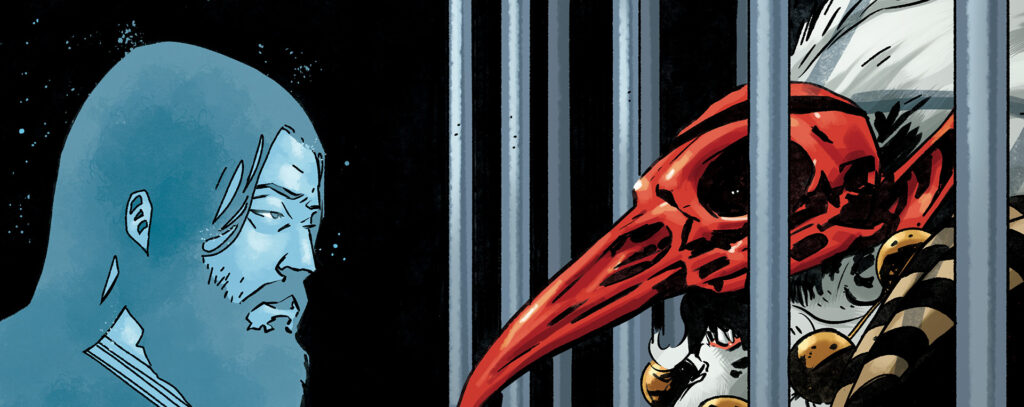
The Tengu plays an even larger role here as both antagonist and internal force. What inspired you to explore this dynamic?
I was tired of possession being just a horror gimmick. I wanted something messier, more psychological. Minamoto isn’t just some demon trying to break free, it’s a war spirit with its own history, its own grudges, its own understanding of Genshi after six centuries together. That kind of cohabitation creates something way more complicated than good versus evil. Think about it: the tengu craves violence, sure, but it also kept Genshi alive through plagues, wars, every disaster for 600 years. Is that cruelty or care? Probably both. What got me excited was this idea that our inner demons aren’t always purely destructive, as sometimes they’re the thing that kept us breathing through impossible times, even while they’re tearing us apart. That ambiguity is the whole point.
Can you walk us through your process for building a story that spans centuries, yet still feels grounded in the present?
Simple rule for me: every flashback has to earn its place by changing what’s happening now. History isn’t homework, it’s ammunition. When we show the original tragedy that led to Genshi’s possession, it’s not just backstory. It’s a reveal that completely reframes the choice he’s making in the present. I keep the story anchored in modern New York with characters like Jiro and Akiko Mizuna, regular people who don’t have 600 years of context. They’re just caught up in something ancient and terrifying, and that gives readers an entry point. The centuries-spanning stuff should make the present feel heavier, not more abstract. If history isn’t hitting harder because of what’s at stake today, I don’t think it’s doing its job.
UNDERWORLD is set as a long-form saga, an entire universe. How do you maintain narrative cohesion across multiple series, genres, and time periods?
The Order of Nine versus Unity Ultima is the spine. Ancient mystic god-kings against futuristic techno-fascists: two sides of the same dreadful coin, fighting in the shadows over humanity’s future. Every series in Underworld touches that conflict from a different angle. Honor and Curse comes at it through mythology and supernatural power.
Were there specific films, comics, martial arts stories, or myths that inspired the tone or direction of Eternal?
John Wick was huge for me. The way those films make violence feel exhausting instead of triumphant. That weight, that cost, that’s what I wanted. BRZRKR from Keanu and Matt Kindt shaped how I think about immortality as burden rather than gift. The Old Guard hit similar notes. Manga-wise, Blade of the Immortal by Hiroaki Samura showed me how to handle endless violence without glorifying it. On the comics side, Frank Miller’s Ronin was a major touchstone. That fusion of samurai tradition with a dark, almost hallucinatory modern world showed me how to bridge ancient warrior codes with contemporary chaos. And yeah, there’s some Venom DNA in there too, that push-and-pull between host and entity, two wills constantly negotiating inside one body. The tengu mythology is real Japanese folklore, mountain spirits tied to warriors and martial arts, and I wanted to honor that tradition, not just borrow the aesthetic. Plus, there’s Genshi running through everything, that sense of honor as obligation, duty as both nobility and trap.
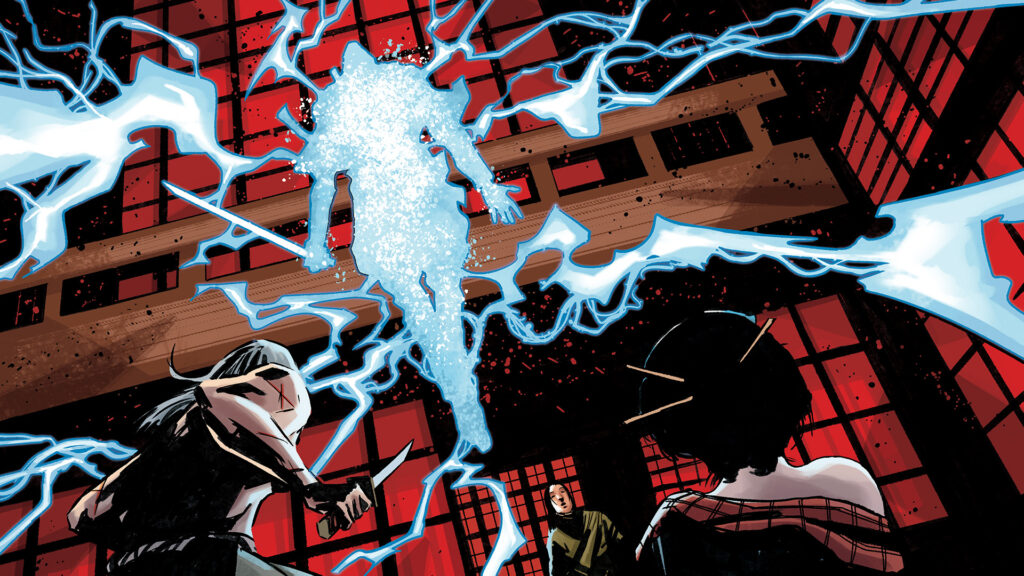
Without giving away spoilers, how does Honor and Curse: Eternal feed into the larger UNDERWORLD and Mad Cave universes? Are there threads longtime readers should be watching?
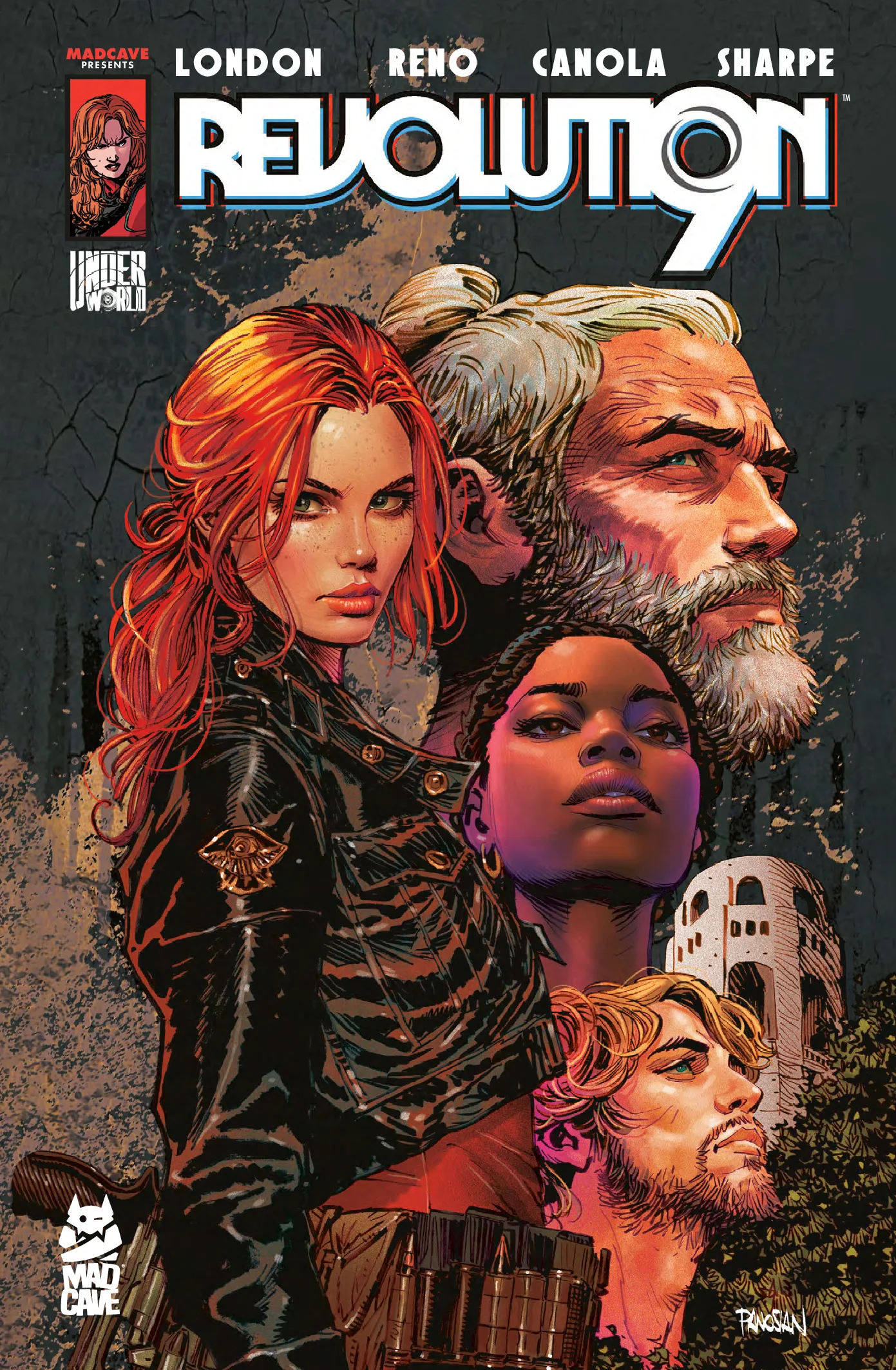
This is where Unity Ultima enters the Underworld Universe, which is a big deal. If you’ve been reading Revolution 9 and following the Order of Nine, you’re finally going to see what they’re actually fighting against. Pay attention to Mountain Protection and how it connects to larger power structures. Genshi’s been running a secret empire for centuries, and the forces in the shadows have definitely noticed. And here’s a thread to watch: how did Genshi successfully bond with a pre-civilization supernatural entity? The Order of Nine wants that answer, but they’re not the only ones asking. Keep your eyes on where the technology and the magic start to intersect: that’s where Underworld is heading.
As we celebrate the launch of Honor and Curse: Eternal, is there anything else you’d like to share with readers about Genshi’s journey or the future of the UNDERWORLD universe?
Genshi’s story has haunted me since I first imagined him, this guy who spent six centuries running from his own power, only to get dragged back into the light. What hits me hardest is how human his struggle is: the weight of an ancient oath, a war spirit raging inside him, the impossible question of whether redemption even exists after 600 years. Bringing Honor and Curse back with Eternal means finally telling the story of what happens when the silence breaks, when penance ends, when an immortal ninja’s past crashes into the modern world. We’re honoring everything that made the original special while pushing the mythology into territory it’s never touched. Because here’s the truth: the most dangerous thing Genshi ever did wasn’t fighting, it was refusing to fight at all. Honor and Curse: Eternal is that reckoning. And this is just the start of Phase 2.
Writer, Mark London
Mark London is the CEO & Creative Director of independent publisher Mad Cave Studios, as well as the author of multiple hit series including Battlecats, Wolvenheart, Honor and Curse, Knights of The Golden Sun. His central focus is to provide a compelling experience through action-driven storytelling and immense world building with the goal of giving readers more than just a comic.

Supernatural epics, modern samurai myths, and character-driven dark fantasy will drive you to Honor and Curse: Eternal, delivering a cinematic evolution of the original series ideal for fans of Demon Slayer, Ronin, Berserk, and Mad Cave’s action-driven universe! Check out the stacked line-up below:
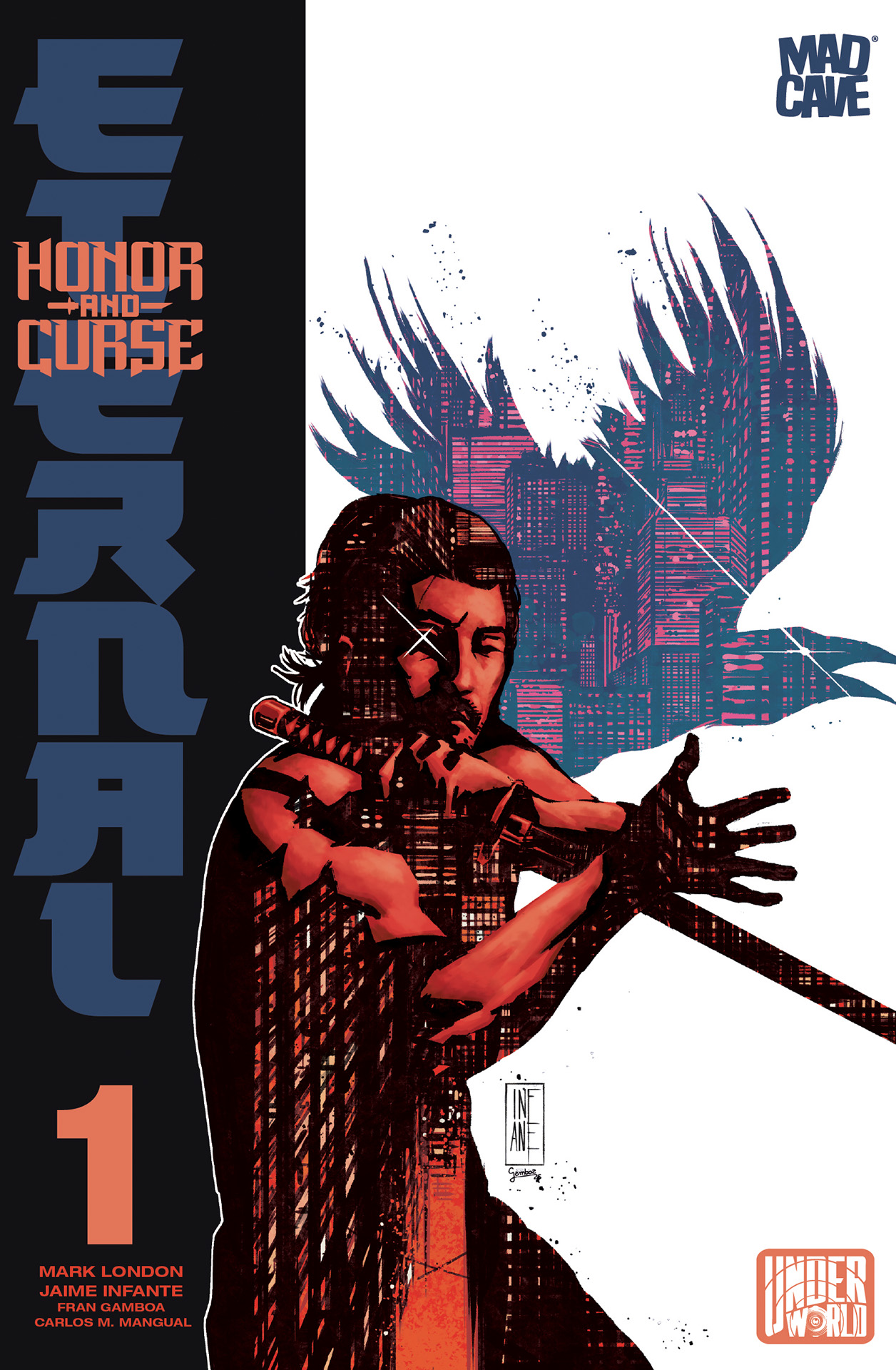
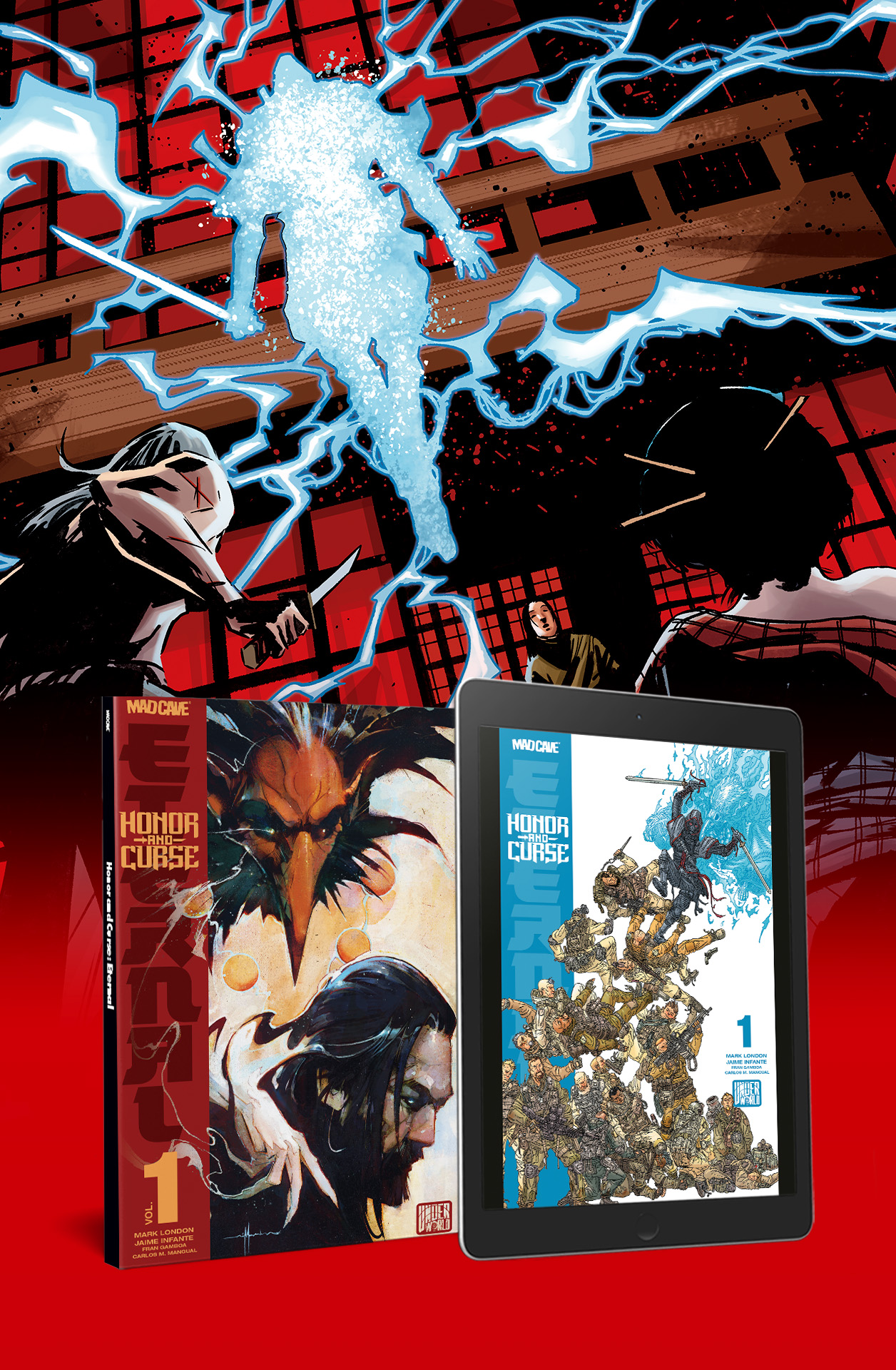
HONOR AND CURSE: ETERNAL
Writer: Mark London – Artist: Jaime Infante – Colorist: Fran Gamboa – Letterer: Carlos M. Mangual
Release Date: March 25th, 2026
Synopsis: Six hundred years ago, ninja warrior Genshi Sakagura vanished from history—cursed with immortality and haunted by a war-hungry spirit known as the Tengu. Now living in modern-day New York, Genshi’s centuries of silence shatter when a terrorist strike and a kidnapping tied to his ancient past force him back into battle. To reclaim his honor, he must once again unleash the curse he’s spent lifetimes trying to contain.
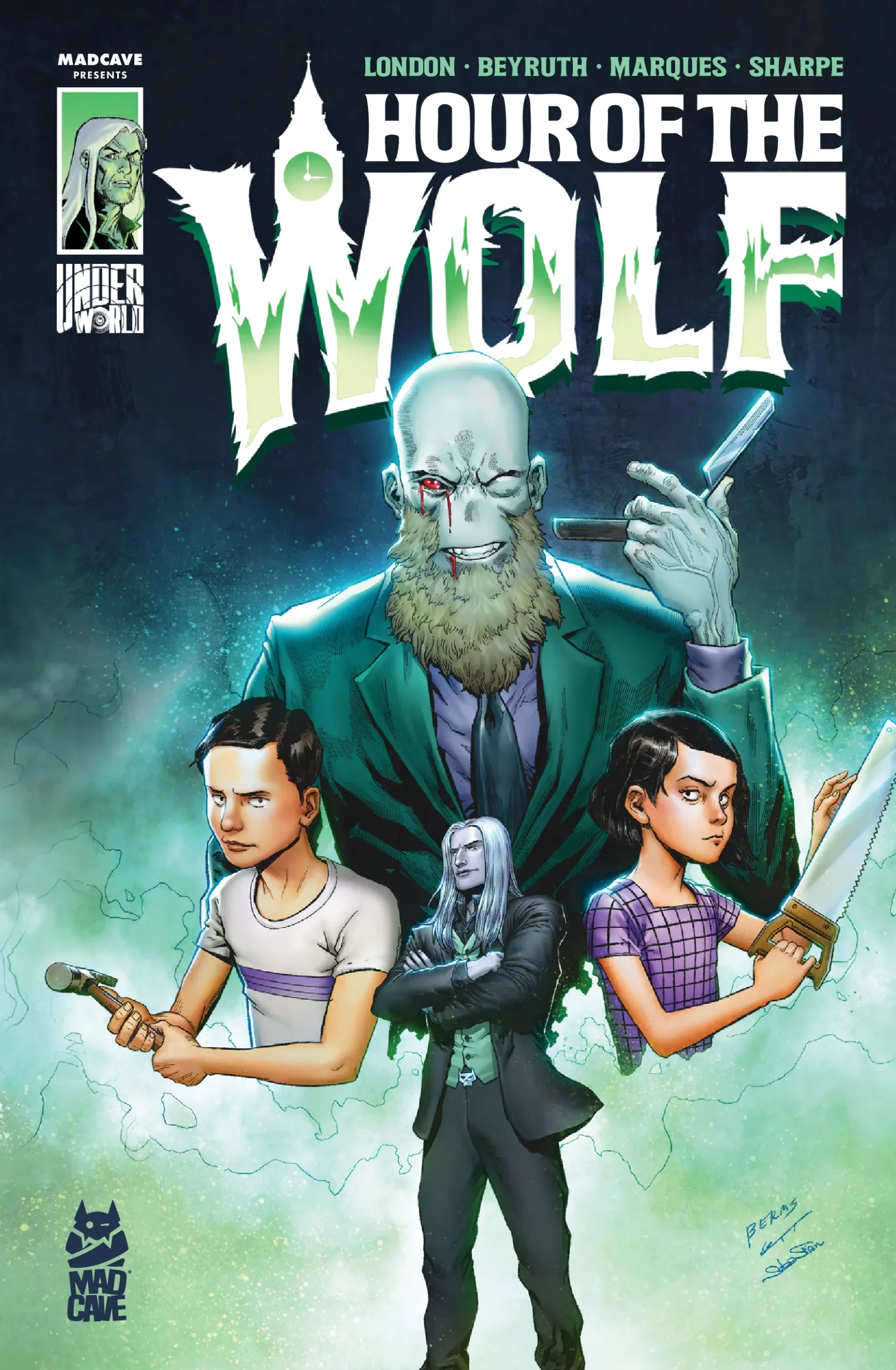
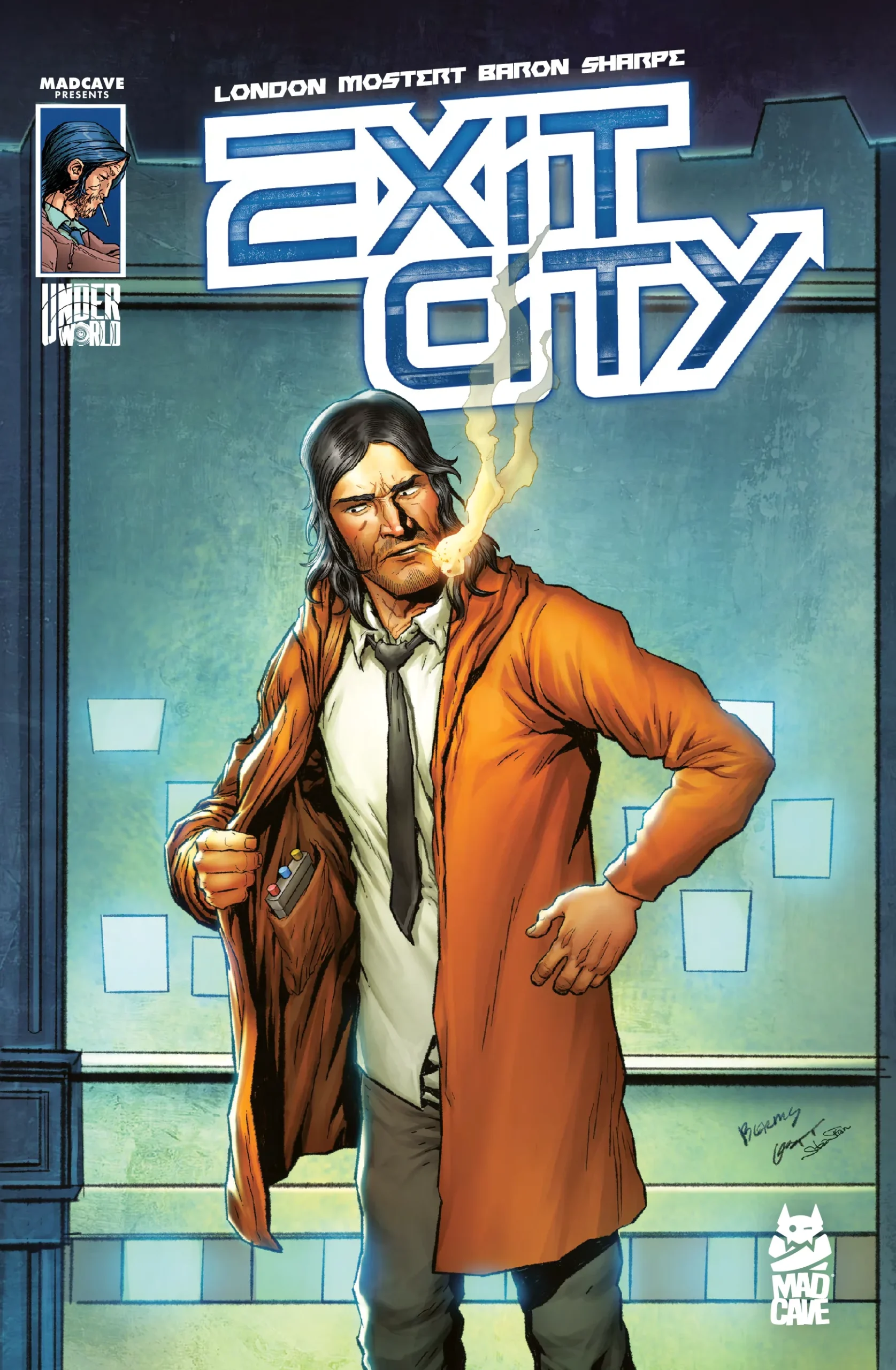
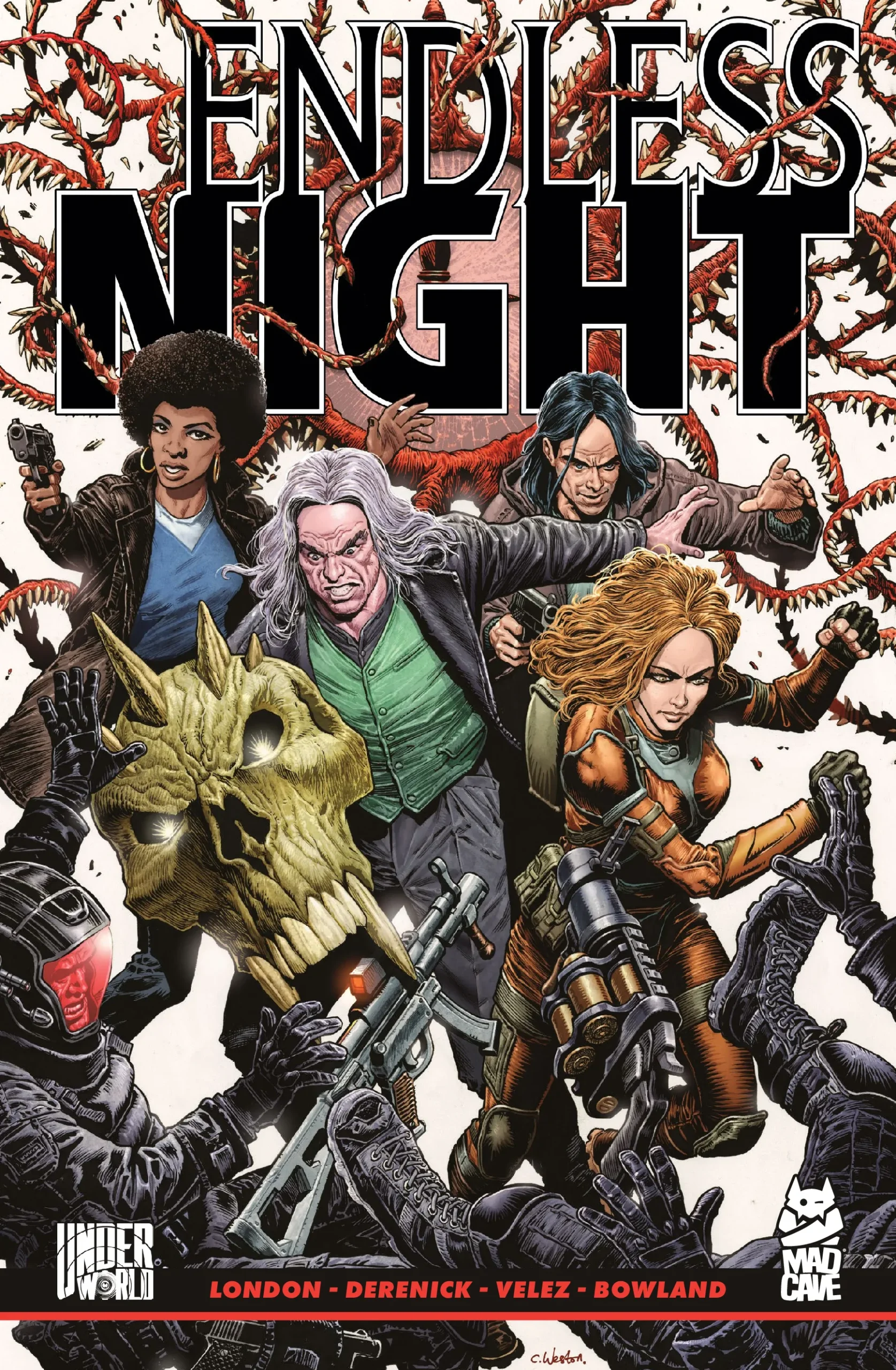
Underworld is Mad Cave Studios’ interconnected storytelling universe: an ambitious, long-form saga where myth, pulp, horror, and crime collide across time and genre. Spanning multiple series and eras, Underworld explores secret societies, immortal figures, and the unseen forces shaping history from the shadows. Unravel the interconnected threads of Underworld’s first act through Exit City, Hour of the Wolf, Revolution 9, and Endless Night!
Honor and Curse: Eternal #1 (of 12) arrives March 25, 2026. Preorder through your local comic shop, bookstore, or Mad Cave directly, with subsequent issues to follow monthly.

This summer, Mad Cave Studios’ Comixology Originals line presents Nikola Tesla, a witty and unexpectedly human graphic novel from writer Sergio Rossi, artist Giovanni Scarduelli, letterer Giulia Gabrielli, and translator Lucy Lenzi that looks past the mythology surrounding one of history’s most iconic inventors. Framed through the conversations of two collaborators attempting to make sense […]
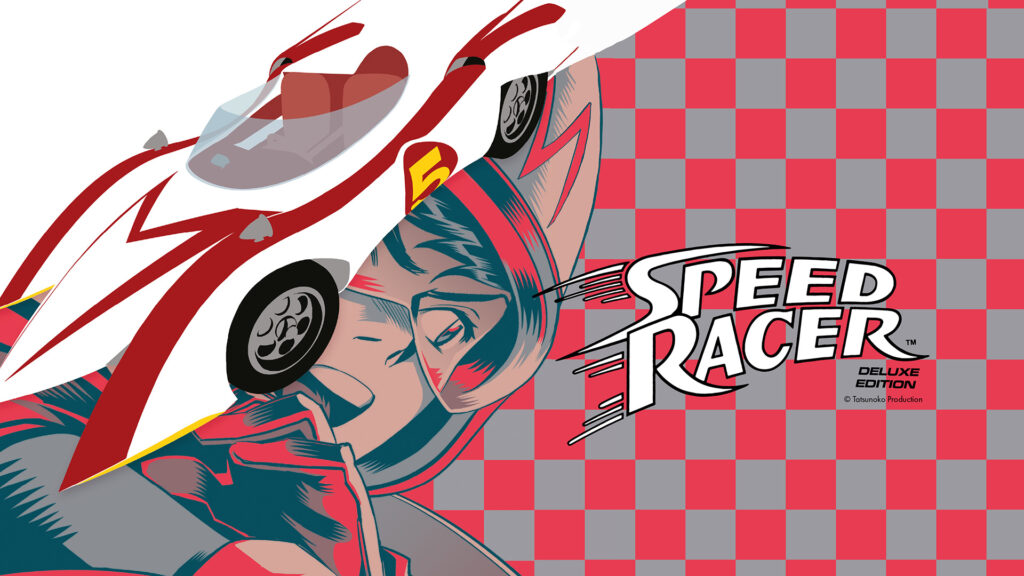
Flash the flags and start your engines! One of the most recognizable racing icons in pop culture history is back in one definitive collectable volume! Mad Cave Studios and Tatsunoko Production proudly bring fans SPEED RACER VOL. 1 DELUXE EDITION, a new hardcover collection that brings Tatsuo Yoshida’s legendary Mach GoGoGo to a brand new […]
Four Critically Acclaimed Science Fiction Stories, Collected in One Expansive Hardcover from Stefano Cardoselli and Francesca Perillo This fall, as science fiction continues to mirror our anxieties, obsessions, and fractured futures, Mad Cave Studios brings together four critically acclaimed stories from Bram Stoker and Carlo Boscarato Award-winning creator Stefano Cardoselli and celebrated co-creator Francesca Perillo […]
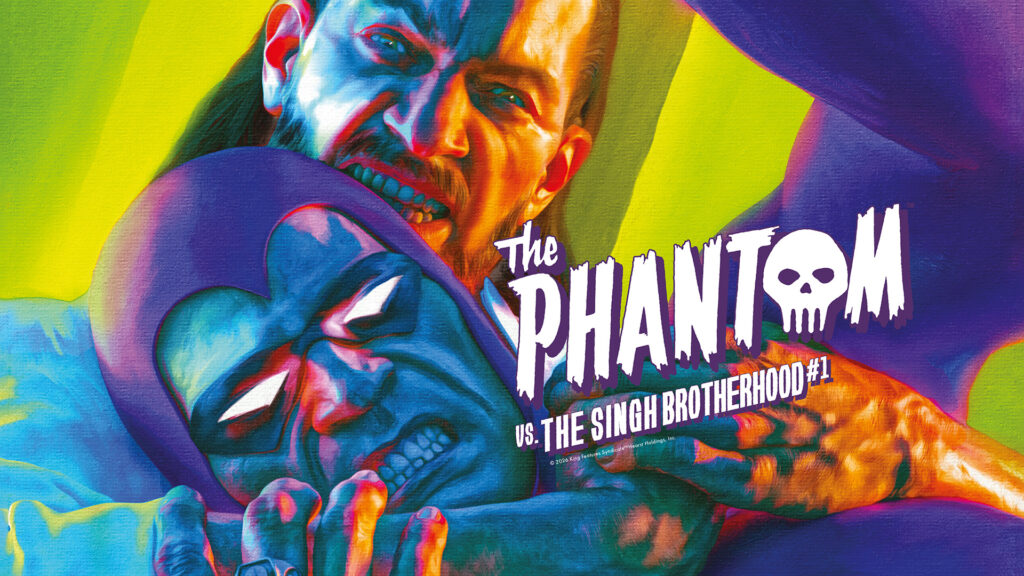
The Phantom walks. Evil dies. Mad Cave Studios, in partnership with King Features Syndicate, announces THE PHANTOM VS. THE SINGH BROTHERHOOD, an explosive new 40-page one-shot bringing Lee Falk’s legendary hero into direct conflict with one of the deadliest criminal forces on the planet. Written by Ray Fawkes (Batman: Eternal, Constantine) with inks and colors […]
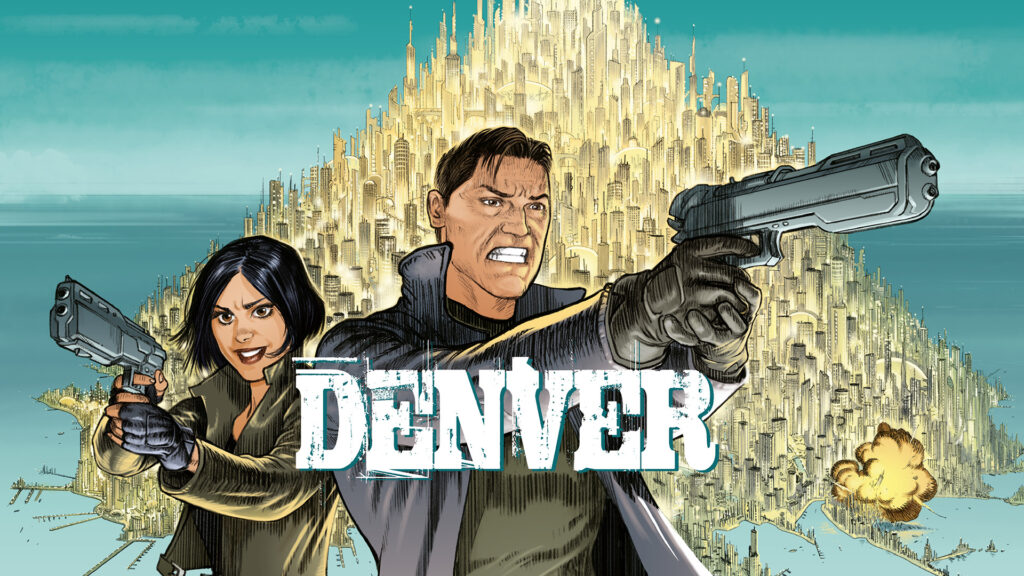
The world has drowned. Denver survived… barely. Mad Cave Studios announces DENVER, a gritty and gratuitous thriller from acclaimed writers Jimmy Palmiotti (Pop Kill) and Justin Gray (Jonah Hex), featuring art and colors by Pier Brito (Daredevil), letters by Bill Tortolini, and covers by Amanda Conner, Pier Brito, Uko Smith, and Dave Johnson. Synopsis:In a […]
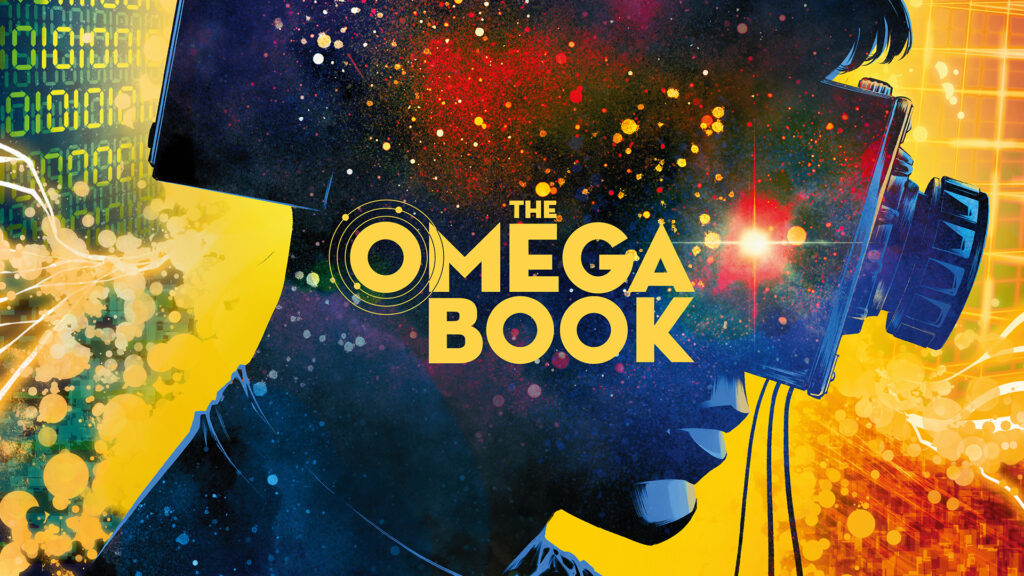
What if the answers you spent your whole life chasing arrived too late, and carried the power to destroy the universe? Mad Cave Studios presents The Omega Book, a new cosmic sci-fi thriller series from writer James Patrick (Batman, Star Trek), artist Pauli Junquera, colorist Fares Maese, letterer Pat Brosseau, and featuring Cover B by […]
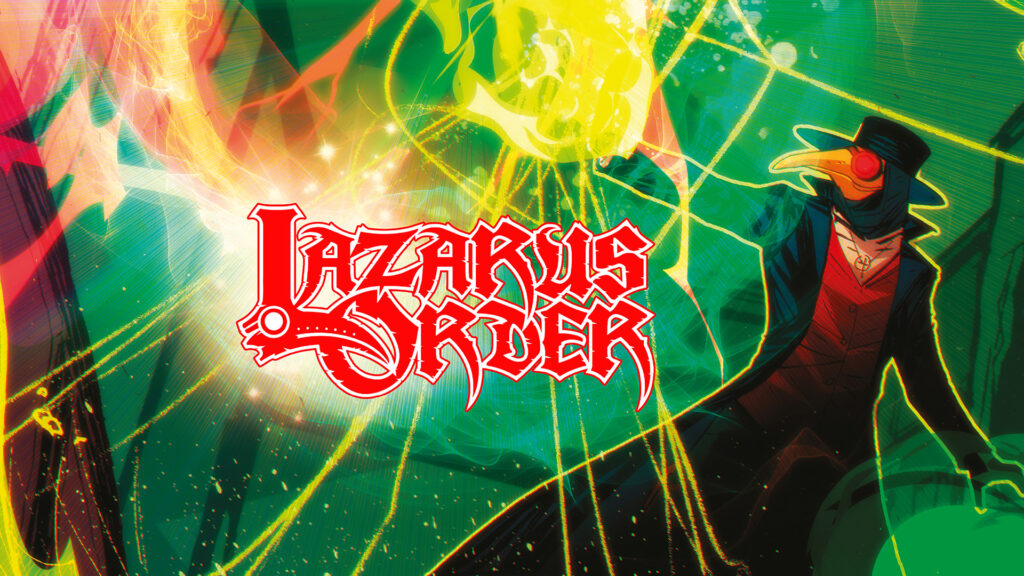
This summer, Mad Cave Studios invites readers into a brutal medieval nightmare withLAZARUS ORDER, the all-new dark fantasy horror series written bySloane M. Siegel (Gotham Knights), co-created and character designed by Benjamin J. Stockham, with art and colors by Juan Doe (Vanishing Point), letters by DC Hopkins, and featuring variant covers by Marguerite Sauvage andGeorges […]
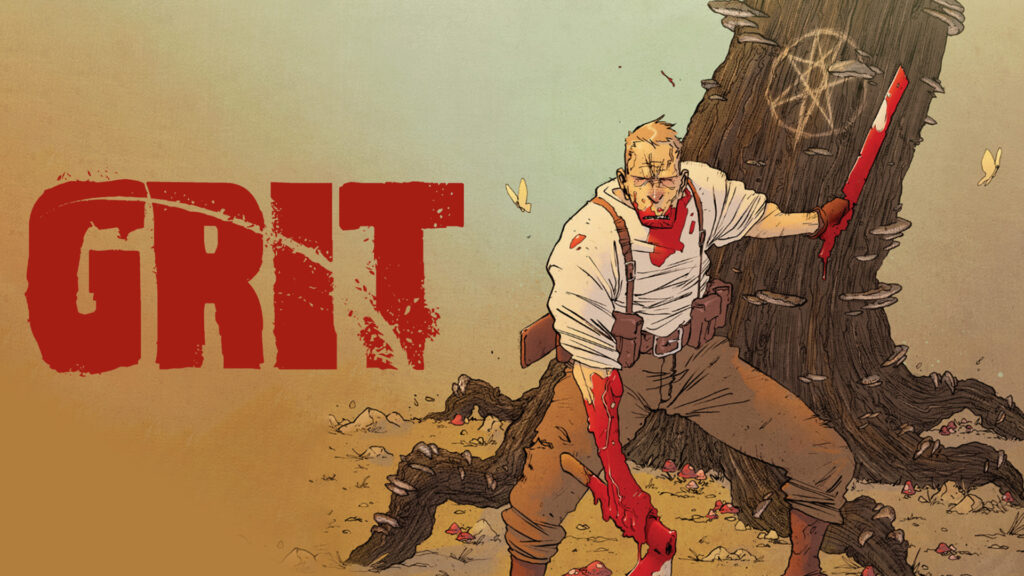
A Blood-Soaked Pulp Fantasy Where Axe-Swinging Meets Occult Chaos…and Survival Isn’t Guaranteed. Mad Cave Studios brings GRIT back to print, returning readers to the brutal, off-kilter world from Brian Wickman (The Greylock) and Kevin Castaniero (War of the Worlds: Thunder Child), with colors by Simon Gough (Zorro) and letters by three-time Ringo nominee Micah Myers. […]

Ready to read our comics? New here? Register for free! Returning? Log in!
Comments
You must be logged in to post a comment.
No comments yet. Be the first to comment!